

Exhaust fans do a lot of dirty yet important work inside an industrial facility. Many industrial settings need this form of ventilation to keep up with the work happening within the building. But when the air indoors becomes harder to manage, it causes more than just discomfort; it’ll start impacting the safety of the facility and the conditions that people rely on to work efficiently.
So, what is the purpose of an industrial exhaust fan? At its simplest, it gives your building a controlled way to move unwanted air, moisture, and contaminants out before they interfere with the operation itself. Let’s take a closer look at just how critical exhaust systems are to the safety, structural performance, and compliance requirements of an industrial facility.
How Exhaust Fans Work
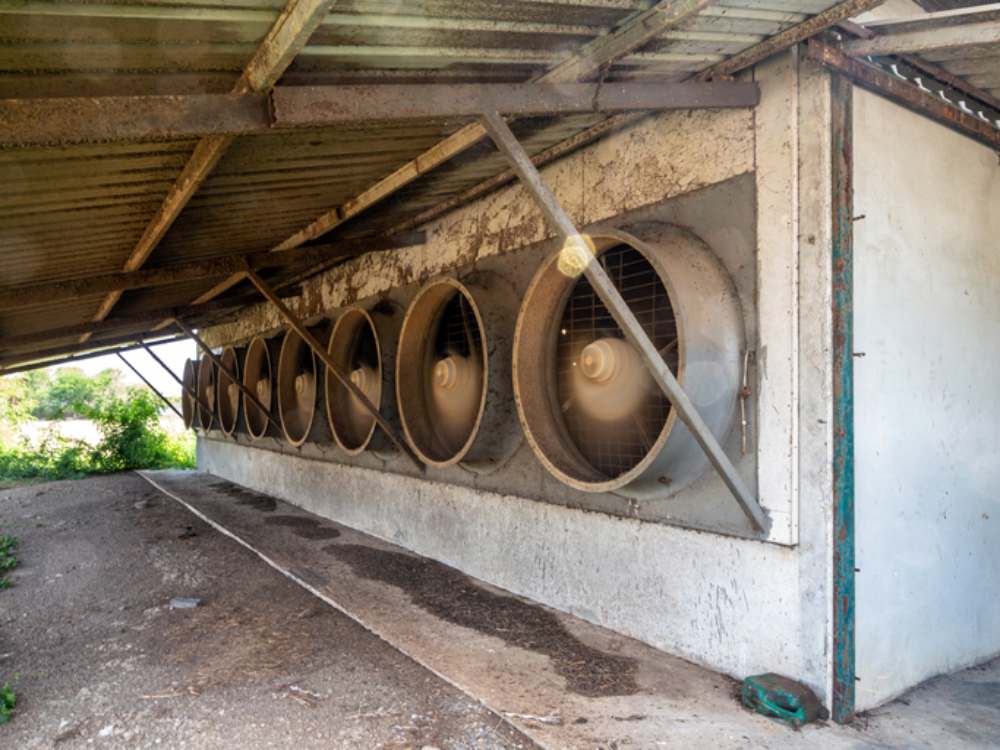
An exhaust fan creates movement between the air inside the facility and the air leaving the building. As the fan pulls air out, the ventilation system creates a path for replacement air to enter and circulate through the space. That movement is crucial in industrial settings because indoor air can change quickly once equipment, production activity, stored materials, or people add heat and airborne byproducts into the building. A properly placed exhaust system gives that air somewhere to go instead of letting it settle into the facility.
Health and Safety Benefits
The importance of exhaust fan performance is much easier to recognize when indoor air starts affecting the conditions people work in every day. In industrial environments, poor ventilation can leave fumes, dust, odors, humidity, or stale air sitting where employees need conditions that are visible and, of course, breathable. Exhaust fans provide facilities with more control over removing those concerns from active work areas before they create discomfort or larger safety issues.
Energy Efficiency and Temperature Control
Industrial buildings can retain heat from equipment, lighting, and long operating hours. When that heat lingers, the HVAC system may have to work harder to maintain workable indoor conditions. Exhaust fans can reduce some of that pressure by moving hot air out of the facility and improving air exchange. That doesn’t replace a properly maintained HVAC system, but it can make the building’s temperature control strategy more practical during demanding workdays.
Common Types of Industrial Exhaust Fans
Different facilities need different exhaust fan configurations because air movement depends on the building’s size, layout, equipment, and the type of work happening inside. An industrial exhaust fan for a warehouse may need to move large volumes of air, while a more targeted system may serve one specific process area. There are many types of exhaust fans that industrial facilities can employ, including:
- Axial Fans – Axial exhaust fans move large amounts of air through open spaces where general ventilation needs to stay consistent.
- Centrifugal Fans – Centrifugal fans handle higher-pressure airflow needs where dust, fumes, or process-related air movement requires more force.
- Roof-Mounted Fans – Roof exhaust systems move air out through the roof and can serve large commercial or industrial spaces.
- Wall-Mounted Fans – Wall exhaust fans provide more targeted ventilation for specific rooms, work zones, or production areas.
- Ducted Systems – The exhaust configurations direct air from defined areas through ductwork when ventilation needs more controlled routing.
Maintenance and Inspection Needs
An exhaust fan for commercial building use should be inspected before performance issues become part of the facility’s normal operating pattern. Worn belts, dirty fan blades, loose components, blocked vents, motor strain, or airflow restrictions all need to be resolved because they can drastically reduce how effectively the system moves air. Routine maintenance gives an experienced technician the opportunity to evaluate those conditions, check for any wear that may be developing, and verify that the exhaust system is still serving the building’s demands.
Protect Your Facility With Triangle Environmental
Exhaust systems are a fundamental part of any industrial facility, yet they can be easy to overlook until indoor conditions start impacting your operations, your employees, and the building itself. Here at Triangle Environmental, we take pride in providing commercial and industrial facilities across the Chicagoland Area with specialized exhaust system service and repair solutions. With more than 40 years of HVAC and refrigeration experience, our team can evaluate your ventilation concerns, inspect your equipment, and provide practical service recommendations based on how your facility actually operates.
If your exhaust system needs attention, get in touch with our HVAC specialists today and schedule service with a team that understands your building’s demands.
Industrial Exhaust Fans – Frequently Asked Questions
Are Warehouse Exhaust Fans Different?
Warehouse exhaust fans are often needed for larger spaces that need consistent air movement across wide-open areas. The ideal type of exhaust fan and configuration depends on building size, ceiling height, heat sources, air quality concerns, and how the space is used during normal operations.
How Often Should Exhaust Fans Be Inspected?
Industrial exhaust fans should be inspected routinely, especially in facilities with heavy equipment use, airborne debris, moisture, or long operating hours. A technician can recommend a maintenance schedule based on your system’s condition, workload, and placement.
What Happens When Exhaust Fans Lose Performance?
When exhaust fans lose their ability to perform the way they’re intended, hot, humid, stale, or contaminated air may stay in the facility longer than it should. That can affect working conditions, equipment strain, odor control, moisture management, and the building’s overall ventilation strategy.