

Poor air quality can be easy to dismiss at first because it often shows up in ways that seem temporary or unrelated to an underlying problem. A room feels stuffy. Dust keeps collecting around vents. Employees have complained about headaches or irritation that follows them through certain parts of the building. But once those patterns have become apparent, there might be something important about how air is moving, filtering, and circulating through your facility – or lack thereof.
Managing indoor air quality in office buildings and other commercial spaces means paying attention to the conditions people experience every day, then tracing those conditions back to the source that’s created them. Let’s take a look inside ventilation systems and explore how HVAC equipment can negatively impact the air quality in a commercial building.
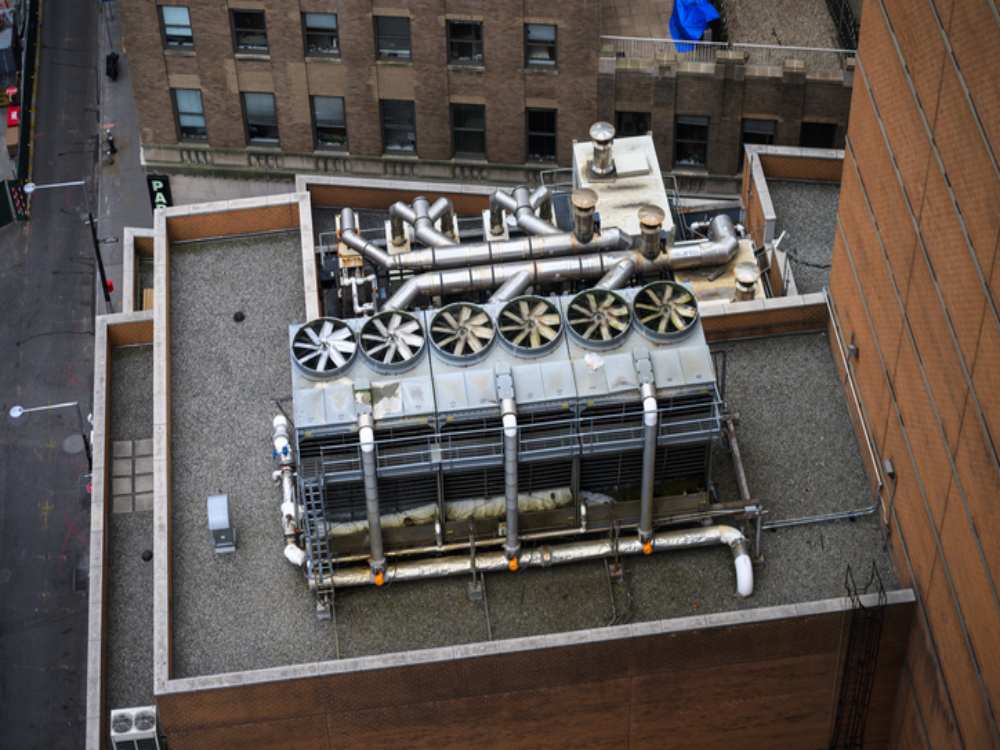
Common Symptoms of Poor Air Quality
The signs of poor air quality in office settings aren’t always obvious or dramatic at first. They often develop as small patterns that keep repeating in the same areas, which can give you a good starting point for identifying the source:
- Stale or Stuffy Air – Certain rooms may feel heavy or stagnant when ventilation isn’t bringing in enough fresh air.
- Lingering Odors – Smells from cleaning products, restrooms, trash areas, or work processes may stick around longer than they should.
- Damp Indoor Conditions – Excess humidity can make the building feel damp and create ideal conditions for mold or mildew to grow.
- Visible Dust Buildup – Dust collecting near vents, returns, desks, or equipment can point to filtration or circulation concerns.
- Uneven Temperatures – Hot and cold spots may indicate airflow problems that are affecting more than comfort alone.
Health Impacts on Occupants
The people inside your building are usually the first ones to notice when indoor conditions are off, especially when the conditions start to cause health implications. Employees may experience coughing, migraines, irritated eyes, a dry throat, and other allergy-like symptoms, along with general fatigue and trouble concentrating, due to potential issues with air quality. And while reports of employees feeling dizzy or nauseous can be troubling, those reports may provide useful information that makes the source more obvious.
If people continue to experience symptoms in the same area or just feel better after leaving the facility, that pattern is worth documenting. It doesn’t automatically diagnose the building, but it can give a technician a smarter place to start. The goal is to connect what people are experiencing with what the HVAC system, ventilation layout, or filtration may be failing to manage.
HVAC and Ventilation Issues
An HVAC system has to do more than heat or cool the inside of a building. It also has to bring in outdoor air, remove stale air, capture particles, control moisture, and keep air moving through occupied spaces. But when one part of that process falls behind, indoor air quality, particularly for commercial buildings, can shift from a comfort concern into a building performance and health issue.
The problem may be clogged filters or restricted air vents. It could be faulty exhaust fans or malfunctioning outdoor air dampers. There could also be dirty coils or duct leaks interfering with the system’s performance. Whatever the case may be, if supply and return airflow are out of balance, one area may feel stagnant while another area receives more conditioned air than it needs. That’s why the symptoms people experience in a given space should be compared against the mechanical system serving that area.
Causes of Indoor Air Pollution
Indoor air pollution rarely comes from one source alone, and it usually builds from normal activity inside the facility. That means the ventilation infrastructure needs to be efficient at moving and managing the air, otherwise pollutants will become a problem fast. From cleaning products, office equipment, and work-related particles to restroom odors, outdoor pollen, and moisture, airborne particulates all become harder to manage if HVAC filters haven’t been replaced or the ductwork hasn’t been cleaned. The filters in a commercial HVAC system usually need to be replaced every 90 days, and the duct system should be cleaned at least every three to five years.
The indoor air quality in industrial facilities like warehouses and production plants also needs to be effectively ventilated since air pollution is often generated by the work itself. Packaging materials can release dust into the air. Loading areas can bring in exhaust, pollen, and outdoor debris. Production work can produce fumes and harmful airborne particles that don’t belong in occupied zones. Once those contaminants enter the air, poor filtration or weak exhaust can keep them circulating through the building instead of removing them from the area where they were created.
Solutions to Improve Air Quality
When you call in our HVAC technicians to evaluate your indoor air quality concerns, we’ll take an in-depth look at how air is entering, moving through, and leaving your space. This assessment will give us a practical way to address the conditions that may be keeping pollutants inside your building. Here are some of the solutions we provide to improve air quality:
- Replace Clogged Filters – Clean filters capture more airborne debris before dust, pollen, and particles continue moving through occupied spaces.
- Inspect Ductwork – Dirty or leaking ductwork can spread particles, weaken airflow, and reduce how effectively air reaches certain areas.
- Service Exhaust Systems – Exhaust fans remove odors, humidity, fumes, and stale air from restrooms, work areas, and production spaces.
- Clean Coils and Components – Dirty coils and air-handling components can restrict airflow and reduce the system’s ability to manage indoor conditions.
- Evaluate Building Changes – Added rooms, layout changes, or new usage patterns may require adjustments to ventilation and airflow.
Improve Your Building’s Air With Triangle Environmental
Poor indoor air quality becomes much harder to ignore once it keeps affecting the same people, rooms, or work areas. If your building has recurring air quality problems, our team here at Triangle Environmental can inspect the HVAC and ventilation equipment serving your space.
With more than 40 years of commercial HVAC experience in the Chicagoland Area, our technicians excel at identifying your service needs and providing recommendations based on your specific facility. Contact us today to schedule your commercial HVAC service and improve the air your building depends on every day.
Indoor Air Quality in Commercial Buildings – FAQs
How Do You Measure Air Quality in Commercial Spaces?
A technician can review how to measure air quality in your commercial space by checking airflow, humidity, carbon dioxide levels, airborne particles, filter condition, and ventilation performance. The walkthrough also matters because recurring symptoms, odors, dust, or stagnant air in the same area can help narrow down where the system needs closer attention.
What Are Common Air Quality Issues in Offices?
What are common air quality issues in offices? Stale air, lingering odors, dust buildup, damp conditions, uneven temperatures, and allergy-like symptoms are some of the most common signs. If those concerns keep showing up in the same rooms, they may point to filtration, ventilation, humidity, or airflow problems.
Can HVAC Problems Cause Poor Air Quality?
Yes. HVAC problems can cause poor air quality when filters are clogged, vents are restricted, exhaust systems are weak, ducts are dirty, or moisture is not being controlled. A professional inspection can connect those equipment issues to the areas where people are noticing problems.