
Refrigeration uptime carries real operational weight when product quality, customer expectations, and daily service all depend on consistent cold storage. If your facility relies on refrigeration units, knowing how to schedule routine inspections for your commercial refrigeration equipment will give your maintenance strategy a defined place in your operating calendar. Instead of leaving your equipment’s condition to guesswork, a well-planned inspection routine allows an experienced technician to evaluate your system’s performance, document developing concerns, and keep your refrigeration aligned with the demands of your business.
How Often Should You Service Commercial Refrigeration?
Most commercial refrigeration systems should be inspected at least twice a year, but the schedule can be adjusted depending on how your equipment is used. Walk-in coolers, freezers, prep tables, ice machines, and high-demand refrigeration units often require quarterly inspections because they are heavily used every working day. If your facility runs long service hours, stores temperature-sensitive inventory, or depends on refrigeration during busy seasonal periods, your inspection schedule should reflect that workload instead of following a generic calendar.
Key Components Checked During Inspections
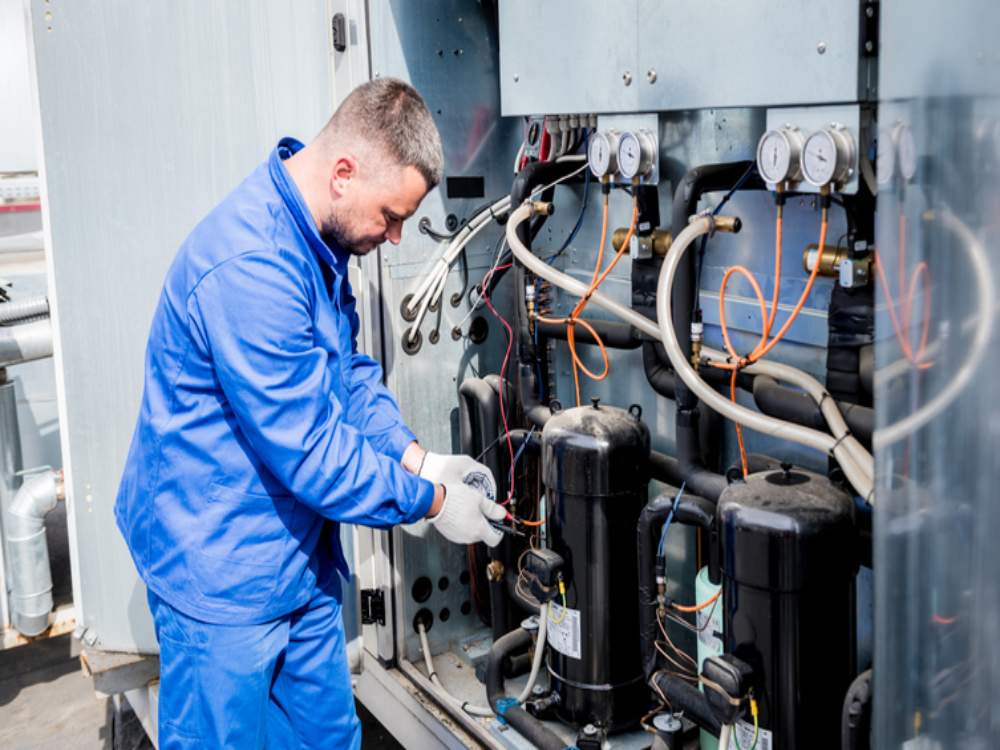
A thorough inspection gives your technician a closer look at the components that control temperature, airflow, and overall system performance. These checks can also reveal developing issues before they begin affecting your equipment’s reliability:
- Coils and Airflow – Clean coils and proper airflow help the system move heat efficiently without adding unnecessary strain.
- Door Gaskets and Seals – Tight seals keep cold air contained and prevent the equipment from working harder than necessary.
- Temperature Controls – Accurate controls help protect inventory by keeping the unit within the proper holding range.
- Fans, Motors, and Compressors – These components drive daily operation and should be checked for wear, noise, and performance changes.
- Drain Lines and Refrigerant Levels – Clear drainage and proper refrigerant levels help prevent cooling problems, moisture issues, and system stress.
Warning Signs Your System Needs Immediate Inspection
Your inspection schedule shouldn’t be the only time your refrigeration equipment gets evaluated. If the equipment’s behavior changes between scheduled visits, those changes deserve attention before they begin affecting your stored product, energy use, or operations:
- Temperature Changes – Inconsistent temperatures can signal airflow restrictions, control issues, refrigerant concerns, or equipment strain that needs professional evaluation.
- Frost or Ice Buildup – Frost in unusual areas may point to airflow problems, door seal issues, or defrost components that need service.
- Water Near the Unit – Pooling water can indicate drainage problems, clogged lines, excess condensation, or another issue affecting normal equipment operation.
- Unusual Operating Sounds – New rattling, buzzing, clicking, or grinding sounds can point to loose parts, motor wear, or component stress.
- Longer Run Times – Equipment that runs longer than normal may be working harder to maintain temperature and should be inspected quickly.
Benefits of Regular Refrigeration Maintenance
When routine maintenance for your commercial refrigeration systems is consistent, it gives your facility more control over the equipment’s performance. Instead of reacting only when something fails, your technician can clean key components, verify temperatures, inspect seals, check electrical connections, and document wear over time. That record can also help you make more informed decisions about repair timing, replacement planning, and how much demand your refrigeration equipment can continue handling.
The Cost of Ignoring Inspections
Skipped inspections rarely create one isolated problem. Dirty coils can make equipment run harder. Worn seals can waste cold air. Low refrigerant, clogged drains, or weakened components can reduce performance before anyone notices a clear failure. Over time, those issues can raise your utility costs, shorten your equipment’s lifespans, increase the risk for emergency repair, and put your inventory in a less dependable environment. Planned inspections give your facility a better chance to correct those problems early before they become a much larger disruption.
Partner With Triangle Environmental Today
Commercial refrigeration inspections should be part of your operating plan before your equipment’s performance forces a reactive response. For facilities across the Chicagoland Area, Triangle Environmental provides commercial refrigeration service, inspections, repairs, and maintenance support built around the equipment your business depends on every day. If your refrigeration schedule needs more structure, our team can evaluate your units, recommend a practical inspection schedule, and provide the commercial refrigeration preventive maintenance needed to reduce avoidable interruptions and keep your cold storage ready for everyday demand.
Keep your refrigeration units running like clockwork. Contact us to schedule your refrigeration service today.
Refrigeration Maintenance – Frequently Asked Questions
How Often Should You Service Commercial Refrigeration?
Many commercial refrigeration systems should be serviced at least twice a year, while high-use equipment may need quarterly inspections. The ideal schedule depends on equipment type, age, usage, operating environment, and how much your business depends on consistent cold storage.
What Is Included In a Refrigeration Inspection?
A refrigeration inspection typically includes checking coils, airflow, door gaskets, temperature controls, fans, motors, compressors, drain lines, electrical connections, and refrigerant levels. The goal is to confirm performance, identify developing concerns, and keep the unit operating efficiently.
Can Inspections Prevent Emergency Repairs?
Inspections can’t prevent every repair, but they can reduce the risk of preventable failures. When the technician addresses dirty coils, worn seals, drainage problems, refrigerant concerns, or failing components, your facility has more time to plan service before a situation becomes urgent.