

Data centers and server rooms perform best under steady environmental conditions. Even minor temperature or humidity fluctuations can trigger downtime or damage expensive equipment. That’s why data center HVAC systems require a more deliberate approach than standard commercial setups. Consider what goes into designing an HVAC system for a server room and how it impacts performance.
Precision Cooling Requirements
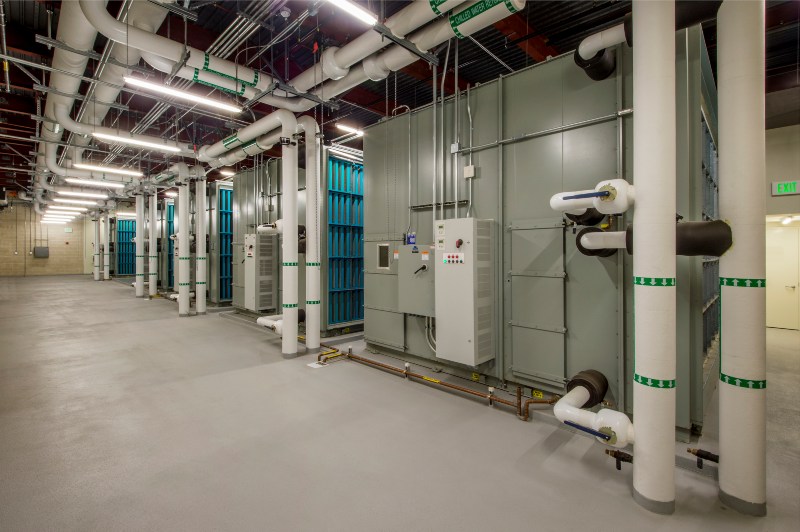
Servers generate significant heat. Standard systems struggle to keep up, which is why HVAC cooling systems for data centers are extra robust. They use advanced sensors and controls to precisely adjust output, which prevents hot spots and keeps equipment operating safely.
Redundancy and System Resilience
Downtime is unacceptable for most data centers. Redundancy keeps equipment running if a primary system fails. In an N+1 setup, an additional cooling unit and power supply stand ready to take over immediately. This added layer of protection reduces the risk of outages and data loss.
Airflow Design and Distribution
Effective cooling requires adequate airflow. Hot- and cold-aisle layouts, which separate warm and cool air, are common data center HVAC requirements. This design improves cooling efficiency and prevents heat from circulating back into the equipment.
Heat Load Planning and Capacity Management
Every piece of equipment contributes to the overall heat load. Planning for that load avoids overheating or wasted energy. Accurate calculations are a major part of energy-efficient cooling solutions for data centers. Many facilities expand quickly, so it’s helpful to consider both current usage and future growth. Scalable systems allow you to increase capacity as your needs change without replacing the entire setup.
Humidity Control
Sensitive data center equipment often reacts poorly to high or low humidity. Stable conditions are necessary to protect delicate components and prevent hidden damage. The recommended target is 40% to 60% to prevent static electricity and condensation buildup. Data center HVAC systems with built-in controls maintain this balanced humidity range using humidifiers and dehumidifiers.
Regular Maintenance and Monitoring
Routine tune-ups reduce downtime and lower operating costs while helping the equipment run longer. Professional data center HVAC maintenance focuses on detailed inspections and timely service to catch issues early. From there, monitoring tools keep a constant watch on temperature, humidity, and system performance, so you can respond quickly when conditions change.
Keep Your Systems Running without Interruption
A reliable HVAC system for your server room comes down to thoughtful design and consistent maintenance. Triangle Environmental has delivered commercial HVAC and refrigeration services since 1983 with a focus on integrity, responsiveness, and dependable results. Our family-owned company offers same-day service and 24/7 emergency support backed by professional work at fair prices. Ready for more reliable performance in your DuPage, Kane, Kendall, or Will County facility? Schedule data center HVAC services with us today.
FAQs
What makes data center HVAC systems different?
They handle higher heat loads with precise, continuous cooling and maintain a tight temperature and humidity range. Built-in redundancy ensures reliability at all times.
How often should I schedule data center HVAC maintenance?
Most systems benefit from twice-yearly maintenance, plus ongoing monitoring to catch issues early. Facilities with heavier workloads or critical uptime demands may require more frequent service.