

Why HVAC Sizing Is More Than Just a Number
Efficient climate control starts with precision. When a commercial building relies on an HVAC system, accurate sizing determines how well that system performs on a daily basis. A properly designed and sized system ensures consistent comfort, balanced airflow, and dependable energy efficiency across every square foot of your facility. Triangle Environmental specializes in HVAC system design for businesses throughout DuPage County, Kane County, Kendall County, and Will County, IL. We deliver solutions that match your building’s unique load requirements. By focusing on optimal capacity and layout, we help reduce operational costs, extend equipment life, and maintain an ideal environment for both employees and customers. Every detail matters, and our team makes sure your system performs.
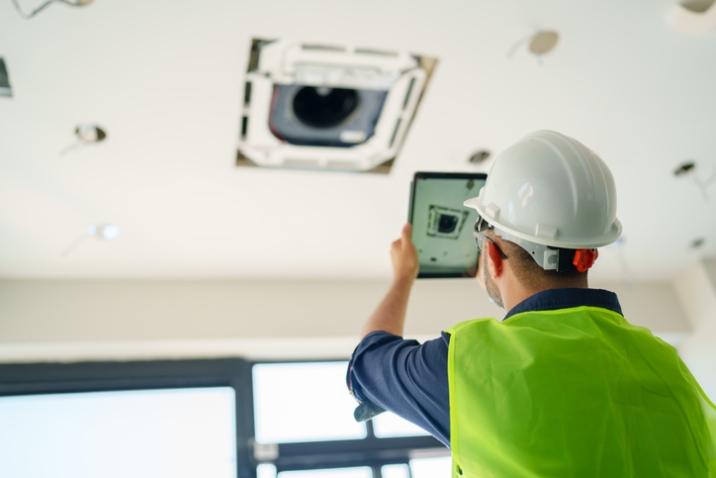
What Is Proper HVAC Sizing?
Proper HVAC sizing matches a system’s capacity to the exact heating and cooling demands of a building. It involves detailed load calculations that account for factors such as square footage, occupancy, insulation, and equipment usage. When a system is sized correctly, it operates at peak performance without unnecessary strain, which improves HVAC efficiency and reduces energy costs. Oversized or undersized units can lead to uneven temperatures and higher operating expenses, so precision matters. Our approach ensures every component works together to maintain comfort and reliability while supporting long-term savings for your business.
The Role of HVAC System Design in Commercial Efficiency
Commercial HVAC efficiency depends on systems that perform reliably without wasting energy. HVAC system design sets the foundation for that performance by aligning equipment capacity with the building’s specific requirements. Accurate HVAC load calculations guide this process, ensuring the system delivers consistent comfort while minimizing operational costs. Every detail, from airflow distribution to zoning, influences how effectively the system supports daily operations. When design is precise, businesses benefit from lower energy consumption, improved indoor air quality, and extended equipment life. A well-designed plan is more than technical. It’s a strategic investment in long-term efficiency and comfort.
Benefits of Properly Sized HVAC Systems
Selecting the correct HVAC size for a commercial space yields measurable benefits in terms of comfort, efficiency, and cost control. A system that matches your building’s load requirements operates smoothly, avoids unnecessary strain, and supports long-term reliability. These benefits extend beyond energy savings, creating a better environment for employees and customers while reducing maintenance concerns. Here are a few advantages businesses gain from a properly sized HVAC system:
- Improved Energy Efficiency – A properly sized system runs at its intended capacity, which reduces energy waste and lowers your utility bill. This efficiency also helps maintain consistent performance without overworking components.
- Extend Equipment Lifespan – When equipment is not oversized or undersized, it experiences less wear and tear during operation. This balance minimizes breakdowns and delays the need for costly replacements.
- Consistent Indoor Comfort – Correct sizing ensures even temperature distribution throughout the building. Employees and customers appreciate a stable, comfortable environment with no hot or cold spots.
- Lower Operational Costs – Efficient operation means fewer service calls and reduced energy consumption. Businesses benefit from predictable expenses and improved budget control over time.
Risks of Oversized or Undersized Commercial HVAC Capacity
Commercial HVAC systems must match the building’s heating and cooling demands. When capacity is oversized, equipment cycles on and off too frequently, which increases wear and raises energy costs. Undersized systems struggle to maintain set temperatures, focusing components to work harder and reducing overall reliability. Both scenarios compromise comfort and efficiency, leading to unnecessary expenses over time. Proper HVAC sizing eliminates these risks by ensuring the system operates within its optimal range. Additionally, accurate sizing supports consistent performance, balanced airflow, and long-term savings, making it a critical factor in every commercial installation.
Why Proper Sizing Boosts Long-Term ROI
A correctly sized HVAC system delivers measurable financial benefits over time. When equipment matches the building’s requirements, it operates without unnecessary strain. This balance reduces energy consumption, lowers utility costs, and minimizes wear on critical components. Fewer repairs and extended equipment life translate into long-term savings for our business. Proper sizing also supports consistent comfort, which enhances productivity and customer satisfaction. By investing in accurate design and capacity planning, companies secure a higher return on investment through reduced operational expenses and dependable performance.
Ensure Your System is Properly Sized
Reliable comfort and energy efficiency start with a properly sized HVAC unit. A system designed for your build’s requirements delivers consistent results and long-term savings. Our team specializes in HVAC system design that aligns with your operational goals and supports efficiency across every inch of your facility. Partner with Triangle Environmental for expert planning and installation. Contact us today to schedule a consultation and discover how properly sized and designed can transform your HVAC performance.
Properly Sized HVAC FAQs
Yes, an undersized HVAC system may struggle to maintain comfortable temperatures, which can lead to poor indoor air quality, unhappy employees or customers, and higher energy bills as the system works harder to meet demands.
HVAC sizing is determined through a detailed load calculation that considers factors such as building size, insulation, window types, occupancy, and local climate, ensuring precise results.
An HVAC system should be evaluated during significant changes to your property, such as renovations, additions, or changes in occupancy, to ensure it continues to meet the building’s needs.
Yes, an improperly sized HVAC system can lead to poor humidity control. Oversized systems may cool the air too quickly without dehumidifying it, while understated systems may fail to control humidity at all.
If you suspect your HVAC system is improperly sized, schedule a professional evaluation with our team to determine the best course of action. We’ll conduct a proper HVAC load calculation and recommend the best solution for your commercial property.