

Why Energy Efficiency Matters in Commercial HVAC
Optimizing energy efficiency in commercial HVAC systems lowers operational costs and creates a more sustainable future. Businesses in DuPage County, Kane County, Kendall County, and Will County, IL, can benefit from energy-efficient HVAC systems designed to enhance performance while reducing energy consumption. Triangle Environmental focuses on providing tailored solutions that improve indoor comfort and minimize environmental impact. By integrating advanced technologies and precision maintenance, we help businesses achieve reliable efficiency and long-term savings. Energy efficiency is more than just reducing bills; it’s about building smarter systems that work better for your space and the environment.
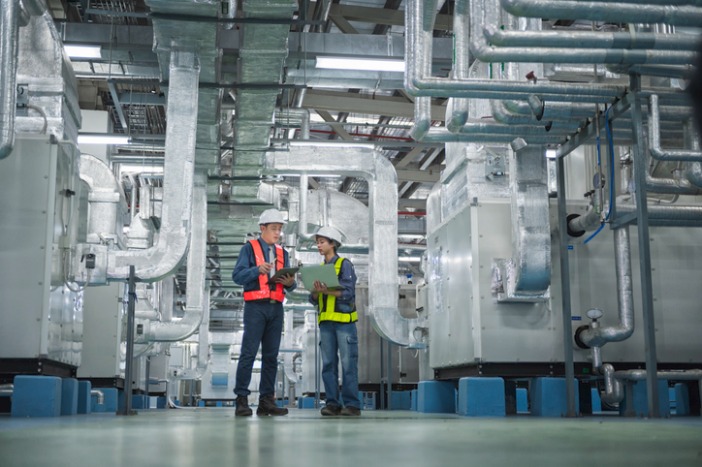
Understanding HVAC System Efficiency
HVAC system efficiency measures how effectively heating, cooling, and ventilation equipment uses energy to maintain indoor comfort. A system with high efficiency consumes less power while delivering consistent temperature control. This lowers utility costs while supporting sustainability goals. Several factors influence efficiency, including equipment age, system design, airflow balance, and control accuracy. Routine maintenance and timely upgrades help preserve optimal performance and prevent unnecessary energy waste. For commercial facilities, focusing on efficiency ensures reliable operation, reduces overhead expenses, and extends equipment lifespan.
Top Benefits of Energy-Efficient Commercial HVAC Systems
Energy-efficient commercial HVAC systems reduce operational expenses and promote sustainable business practices. By focusing on green HVAC optimization, companies can improve their indoor air quality, lower energy consumption, and reduce their environmental impact. These systems deliver optimal performance while using fewer resources, making them a wise investment for long-term savings. Here are some benefits of optimizing their HVAC systems:
- Reduced Energy Costs – Using advanced technology, energy-efficient HVAC systems minimize power consumption. This results in significantly lower utility bills and enhances overall efficiency.
- Environmentally Friendly – These systems produce fewer greenhouse gas emissions, contributing to a cleaner environment. Businesses can meet sustainability goals while reducing their carbon footprint.
- Improved Equipment Longevity – Optimized systems experience less wear and tear, extending their operational lifespan. This reduces the need for frequent repairs or costly replacements over time.
- Enhanced Comfort for Occupants – Energy-efficient systems maintain consistent temperatures and better air quality. This creates a healthier and more comfortable environment for employees and customers.
Key Strategies for Commercial HVAC Energy Optimization
Commercial HVAC energy optimization focuses on reducing energy consumption while maintaining consistent comfort and reliability. Implementing the right strategies ensures systems operate efficiently, lowering costs and extending equipment life. Here are proven methods that deliver measurable results:
- Regular Preventive Maintenance – Scheduled inspections keep components clean and calibrated. This reduces energy waste and prevents costly breakdowns.
- Smart Control Systems – Advanced controls allow precise temperature management and scheduling. Automated adjustments minimize unnecessary energy use during off-peak hours.
- Proper System Sizing – Correctly sized equipment avoids overworking or short cycling. This ensures optimal performance and maximizes efficiency.
- Airflow Balancing – Balanced airflow improves temperature consistency throughout the building. It also reduces strain on fans and compressors, lowering energy demand.
Green HVAC Solutions for Illinois Businesses
Illinois businesses are increasingly adopting green HVAC solutions to reduce energy consumption and align with sustainability goals. Geothermal heating and cooling systems leverage the Earth’s stable underground temperatures to regulate indoor climates. Advanced smart thermostats offer precise temperature control, enabling businesses to optimize their energy usage. Solar-powered HVAC systems offer another eco-friendly alternative, utilizing renewable energy to operate heating and cooling equipment. Additionally, regular maintenance and the adoption of high-efficiency air filters contribute to cleaner air and improved system performance.
Optimizing Your HVAC System Today
Energy efficiency delivers measurable savings and long-term reliability for commercial facilities. Our team offers advanced solutions that reduce energy waste, enhance comfort, and prolong equipment lifespan. Businesses in DuPage, Kane, Kendall, and Will Counties trust Triangle Environmental for expert service and proven results. Contact us today to schedule a consultation and discover how energy-efficient HVAC strategies can transform your building’s performance. Let us help you achieve lower costs and greater sustainability with solutions designed for your unique needs.
Energy-Efficient Commercial HVAC FAQs
By optimizing their HVAC systems, businesses can benefit through reduced energy costs, improved equipment longevity, better indoor air quality, and a smaller carbon footprint. It also ensures more reliable and consistent performance.
Businesses can improve efficiency by upgrading to high-efficiency equipment, installing smart thermostats, performing regular maintenance, sealing ductwork, and utilizing energy management systems to monitor and optimize energy usage.
Yes, smart thermostats are highly beneficial as they provide precise temperature control, allow for scheduling, and offer data insights to help businesses reduce energy waste. They often result in significant long-term cost savings.
The lifespan of an energy-efficient commercial HVAC system typically ranges from 15 to 25 years, depending on the system’s quality and the level of maintenance it receives over time.
Businesses can calculate cost savings by comparing energy bills before and after the optimization, considering factors such as reduced energy use, lower maintenance costs, and rebates or incentives for energy-efficient upgrades.