

A commercial building relies on its HVAC system to keep tenants comfortable, protect equipment, and meet energy targets, so a mid-winter failure isn’t just inconvenient, it’s expensive. The good news is that most winter breakdowns are avoidable. With a bit of planning and the right commercial HVAC maintenance in DuPage County, IL, and the surrounding areas, you can head into the season knowing your system is ready for whatever the weather brings.
Below, we’ll walk you through why winter prep matters, give you a practical winter HVAC maintenance checklist, tell you the warning signs to watch for, and let you know when to book your service.
Why Prepare Your Commercial HVAC System for Winter?
A neglected heating system in winter can lead to wasted energy and surprise repair bills. When the first hard freeze hits, HVAC contractors get slammed with emergency calls, and you don’t want to be the business waiting in line for a part that’s suddenly on backorder.
Commercial heating system maintenance solves this by catching small issues before they become failures. A worn belt, a clogged filter, or a faulty sensor is cheap to fix in October. Left alone, that same component can trigger a full shutdown in January.
There’s a financial upside, too. Heating and cooling account for a large share of a commercial building’s energy use, and poorly maintained equipment runs harder to deliver the same results. Commercial HVAC preventive maintenance keeps your system running efficiently, which shows up directly on your utility bills.
Commercial HVAC Winter Preparation Checklist
You don’t want to miss anything as you prepare your commercial HVAC for winter: Use this winter HVAC maintenance checklist:
- Schedule a Professional Service Check – A technician should inspect every major component to confirm it’s running as it should.
- Replace or Clean Filters – Clogged filters restrict airflow and force the system to work harder. Check them monthly and replace them well before peak winter demand.
- Inspect Airflow and Vents – Remove debris from vents and return air grilles, confirm vents open fully, and check that air flows evenly through occupied spaces.
- Test the Thermostat and Controls – Verify sensors read accurately across the building and reprogram schedules for winter occupancy. Faulty sensors waste energy and create hot and cold spots.
- Check Ductwork and Insulation – Sealed, well-insulated ducts stop heated air from leaking into unoccupied spaces.
- Inspection Heating Components – Burners, heat exchangers, belts, and motors all deserve a close look before they’re under full load.
- Set Up a Preventive Maintenance Plan– Winter is a season, not a single cold snap. Ongoing servicing keeps performance steady from the first frost to the last.
Signs Your Commercial HVAC System Needs Attention Before Winter
Your system often tells you it’s struggling before it quits. Watch for these red flags:
- Uneven Heating – Some rooms feel warm while others stay cold, which usually points to airflow or duct problems.
- Strange Noises – Banging, grinding, or squealing can signal worn belts, loose parts, or motor trouble.
- Rising Energy Bills – A sudden jump in costs without a change in usage means the system is working harder than it should.
- Weak Airflow – Low output from vents often traces back to clogged filters or blocked ducts.
- Frequent Cycling – A system that turns on and off repeatedly may have a faulty thermostat or sensor.
- Unusual Smells – Burning or musty odors warrant an immediate commercial HVAC inspection.
When Should You Schedule Commercial HVAC Winterization?
The best time to book commercial heating maintenance is early fall, before the first cold snap. Scheduling in September or October gives you room to order parts, complete repairs, and avoid the peak-season rush when contractors are fully booked. Waiting until temperatures have already dropped is risky. If your system fails during a busy stretch, you may face longer wait times and higher emergency rates. Booking ahead puts you in control of both the timeline and the cost.
How Winter Weather Can Affect Commercial HVAC Systems in Illinois
Illinois winters are demanding. Temperatures regularly dip well below freezing, and prolonged cold puts sustained stress on heating equipment that runs almost around the clock. Several weather-related factors affect commercial systems here:
- Freezing temperatures can crack coils, freeze condensate lines, and strain heat exchangers running at full capacity.
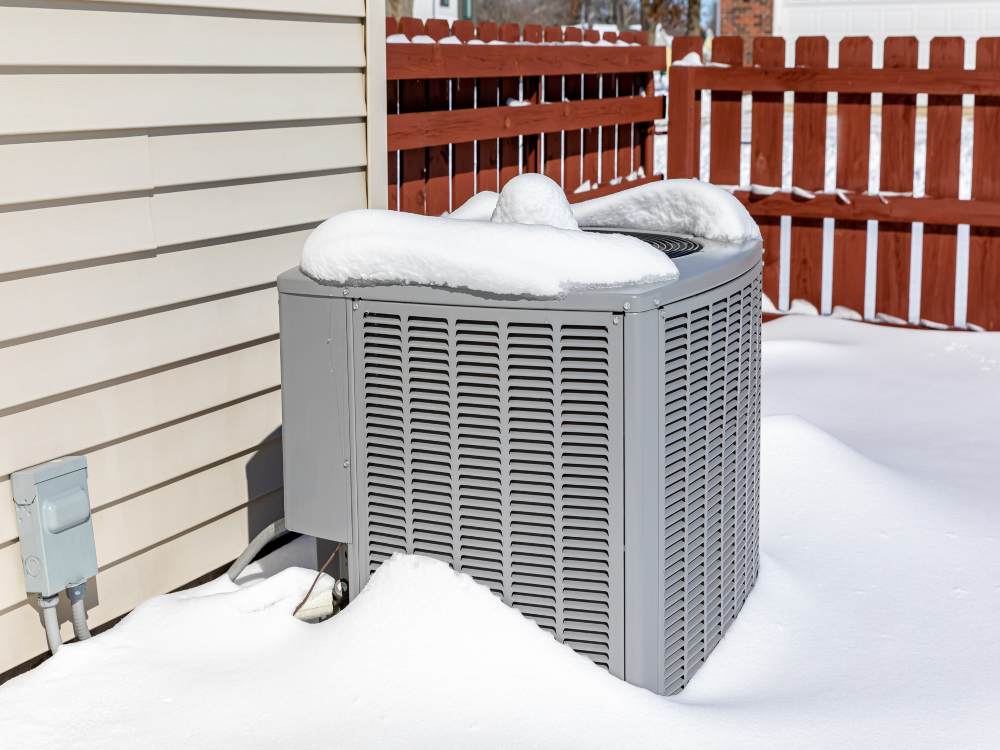
- Heavy snow and ice can block rooftop units, outdoor intakes, and exhaust vents, restricting airflow and forcing the system to overwork.
- Rapid temperature swings common in the Midwest cause systems to cycle frequently, accelerating wear on motors and controls.
- Extended run times mean filters clog faster and components fatigue sooner than they would in milder climates.
Commercial HVAC Winter Maintenance From Triangle Environmental
At Triangle Environmental, we help Illinois businesses keep their heating systems running reliably all winter. Our technicians handle every part of commercial HVAC maintenance, from full inspections and filter programs to repairs and ongoing service plans. We offer scheduled seasonal servicing, priority support and emergency callouts, performance reporting, and filter and part replacement programs. Proactive service prevents downtime, avoids costly repairs, and keeps your system operating at peak efficiency.
Frequently Asked Questions
How Often Should a Commercial HVAC System Be Serviced?
Most commercial HVAC systems should be professionally serviced at least twice a year, once before the cooling season and once before the heating season. Buildings with heavy use, complex equipment, or strict air-quality requirements may benefit from quarterly commercial HVAC preventive maintenance to maintain consistent performance.
When Should I Prepare My Commercial HVAC System for Winter?
Prepare your system in early fall, ideally September or October, before the first hard freeze. Early scheduling gives you time to order parts and complete any commercial HVAC repair before peak demand, when contractors are busiest and wait times are longest.
What Should Be Included in a Commercial HVAC Winter Inspection?
A thorough commercial HVAC inspection should cover filters, airflow and vents, thermostat and sensor accuracy, ductwork and insulation, and heating components such as burners, heat exchangers, belts, and motors. The technician should also test system controls and confirm the unit runs efficiently under load.
What Are the Signs That a Commercial Heater Needs Repair?
Common warning signs include uneven heating, strange noises, rising energy bills, weak airflow, frequent on-and-off cycling, and burning or musty odors.
Can Preventive HVAC Maintenance Reduce Energy Costs?
Yes. A well-maintained system runs more efficiently, which means it uses less energy to deliver the same heating. Clean filters, sealed ducts, and accurate thermostats all reduce strain on the equipment.
Stay Warm All Winter With a Simple Maintenance Plan
Winter rewards the businesses that plan. By scheduling an early inspection, following a solid winter HVAC maintenance checklist, and setting up a preventive maintenance plan, you protect your building from costly breakdowns and keep yourself and others comfortable through the coldest months.
Don’t wait for the first freeze to find out your system isn’t ready. Contact Triangle Environmental today to book your commercial HVAC maintenance in DuPage, Kane, Kendall, or Will County, IL.